Fort Jesus
Today: Today, it is a UNESCO World Heritage site and a symbol of Kenya's coastal history.
Then and now: A powerful fortress defending the coast. A popular tourist attraction and historical site.
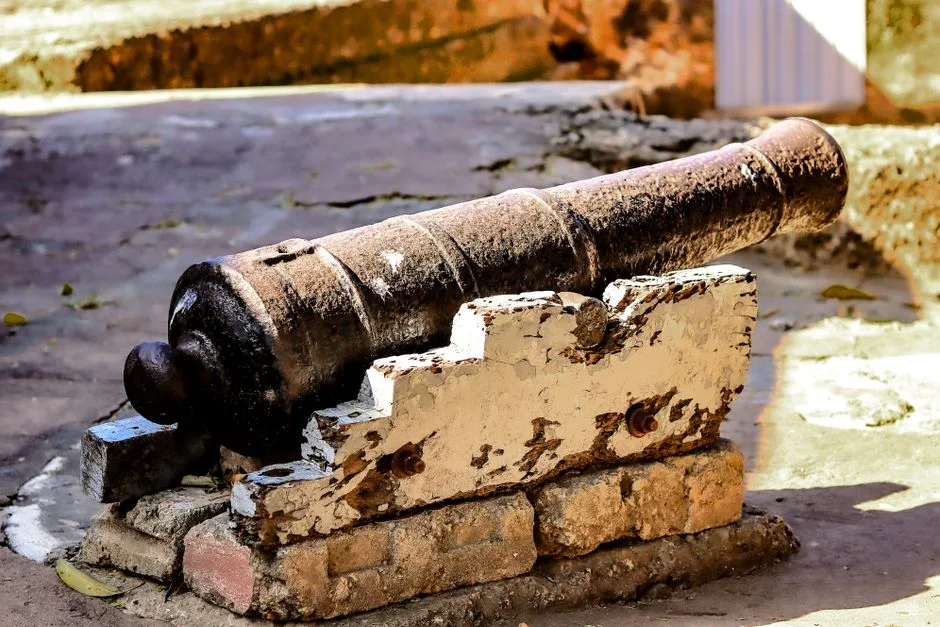
Photo: Joseph (CC BY-SA 4.0)

5 landmarks · living history
Kenya is a country rich in history and cultural heritage. People from various communities live together, each contributing their own traditions and practices. Kenyan heritage includes historic buildings, sacred places, archaeological sites, and artifacts that tell stories from long ago.
Cultural Significance
Kenya's landmarks demonstrate how different cultures and historical events have shaped its coastal areas, trade routes, and urban life. They offer glimpses into ancient architectural styles, colonial influences, and cultural exchanges, enriching Kenya's story.
Today: Today, it is a UNESCO World Heritage site and a symbol of Kenya's coastal history.
Then and now: A powerful fortress defending the coast. A popular tourist attraction and historical site.
Today: It is an important site for learning about the past Swahili way of life.
Then and now: A busy town full of traders and craftsmen. A place for learning and exploring history.
Today: It's a living town where people can see and experience Swahili culture every day.
Then and now: A bustling trade center on the East African coast. A vibrant town with a rich cultural heritage.
Today: It's a reminder of how railways changed how people and goods moved in Kenya.
Then and now: A key hub for trade and travel. Part of Kenya's transport history.
Today: An education center that teaches about cultural diversity in Kenya.
Then and now: A newer cultural project for heritage. A site for cultural education and preservation.
On the Map
The landmarks are spread across Kenya including the coast, Nairobi, and Kisumu, showing how different parts of the country have important historical and cultural stories to tell.