Lumpia
Often eaten: Lumpia is often enjoyed as a snack or appetizer.
Known for: All over the Philippines
Snack TimeFiesta
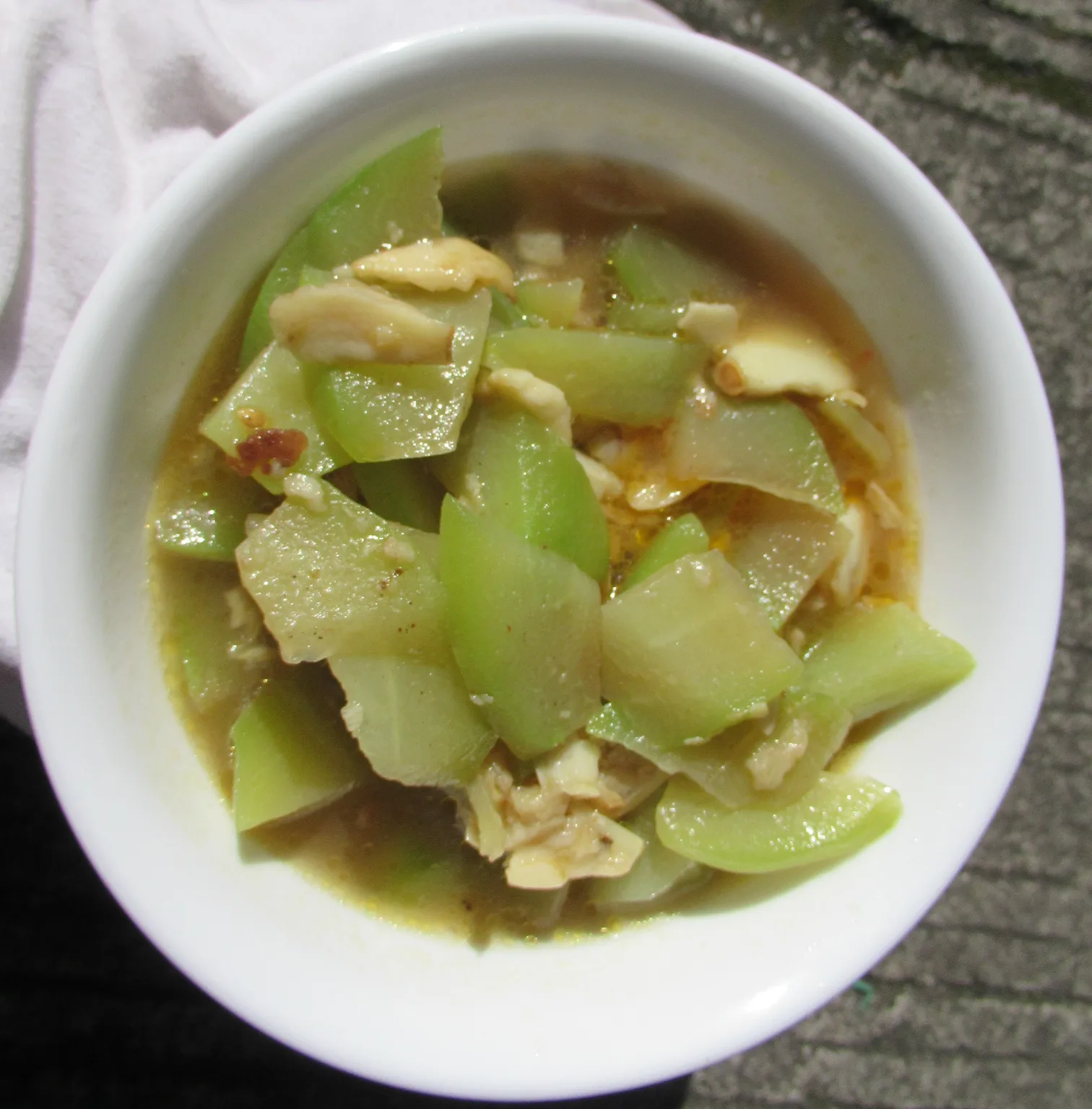
Photo: FBenjr123 (CC BY-SA 4.0)

3 dishes to discover
The Philippines is a country with a delicious array of foods that are as vibrant as its history and culture. Many dishes reflect the country's Malay, Spanish, and Chinese influences. Meals in the Philippines often include rice, and the cuisine uses a mix of sweet, sour, and salty flavors. Whether you're at a fiesta or a quiet family dinner, Filipino food is all about sharing and celebrating.
Meal Culture
In the Philippines, meals are a special time when family and friends get together to enjoy delicious food. Rice is a big part of the meal and is often served with other dishes. Sharing food is important and shows love and connection.
Eating Etiquette
In the Philippines, it's respectful to wait for everyone, especially the elders, before starting to eat. People often use a spoon and fork, but some foods are eaten with hands, like at family picnics or gatherings.
Often eaten: Lumpia is often enjoyed as a snack or appetizer.
Known for: All over the Philippines
Often eaten: Adobo is often enjoyed during lunch or dinner.
Known for: All over the Philippines
Often eaten: Sinigang is commonly served during lunch or dinner.
Known for: All over the Philippines
👩🍳 Cook together! Always ask a grown-up to help with hot or sharp steps.
Ingredients
How to Make It
Ingredients
How to Make It
Ingredients
How to Make It
Just like family-style dining in Italy, Filipino meals are about enjoying food together, with an emphasis on sharing and bold flavors.