San Agustin Church
Today: A symbol of faith and endurance over centuries.
Then and now: A primary religious site for Spanish colonists. A heritage site valued for its historical and architectural importance.
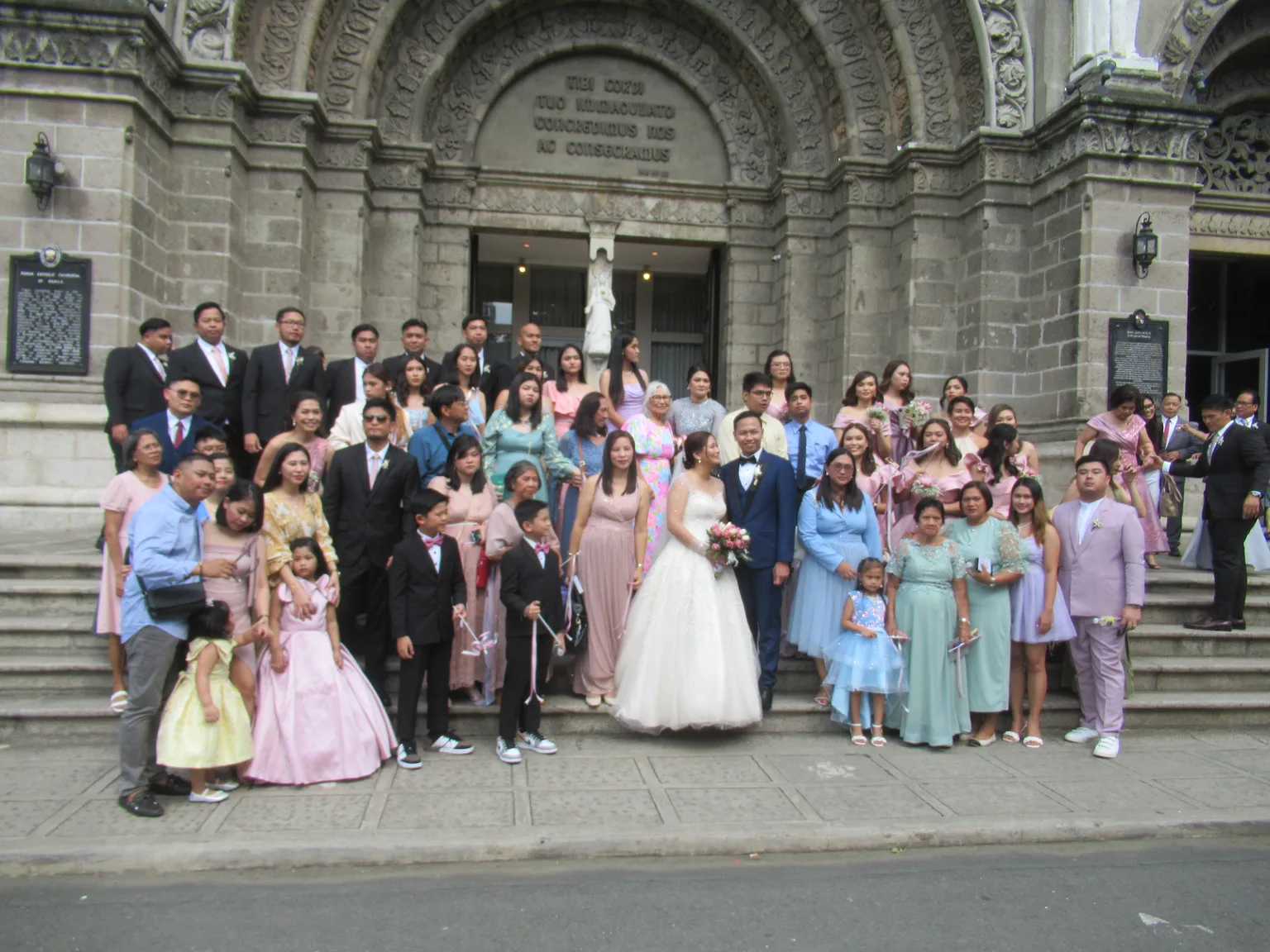
Photo: E911a (CC BY-SA 4.0)

4 landmarks · living history
The Philippines is a country rich in cultural and historical heritage. With over 7,000 islands, it has a variety of landmarks and artifacts that tell the story of the nation from ancient times to today. From historic churches and grand buildings to sacred places, the Philippines’ heritage is a vibrant reflection of its people's diverse past.
Cultural Significance
The heritage of the Philippines tells the story of its rich history, including times of colonization, the fight for freedom, and diverse cultural influences. This is reflected in its historical landmarks and national symbols.
Today: A symbol of faith and endurance over centuries.
Then and now: A primary religious site for Spanish colonists. A heritage site valued for its historical and architectural importance.
Today: A national symbol of freedom and dedication.
Then and now: A new memorial site for Rizal's execution. A major historical landmark and tourist attraction.
Today: A reminder of the country's colonial past and struggle for freedom.
Then and now: A fortress for Spanish colonizers to protect against invaders. A popular tourist destination within the historical Intramuros district.
Today: A testament to Filipino ingenuity and cultural blending.
Then and now: A place of worship and protection against raiders. A preserved historical site visited by many for its architectural beauty.
On the Map
The Philippines is an archipelago with each island having unique landmarks and historical sites that tell the story of the nation's past.