The Berlin Wall
Berlin Β· 20th century
A powerful symbol of the Cold War, dividing East and West Berlin.


3 landmarks Β· living history
Germany is a beautiful country in Europe full of history and culture. It has magical castles that look like they belong in a storybook and charming old towns with cobblestone streets. Germany is also famous for its great inventors and amazing artists who have created wonderful things for the world.
Berlin Β· 20th century
A powerful symbol of the Cold War, dividing East and West Berlin.
Cultural Significance
Germany's rich cultural heritage includes fairy-tale castles, historic landmarks, and significant contributions to art, science, and philosophy. Its history teaches us about unity, freedom, and the power of ideas.
Today: A symbol of romantic architecture and one of Germany's most popular tourist attractions.
Then and now: A private haven for King Ludwig II, designed in homage to Richard Wagner. A world-famous monument bringing tourists from all over the globe.
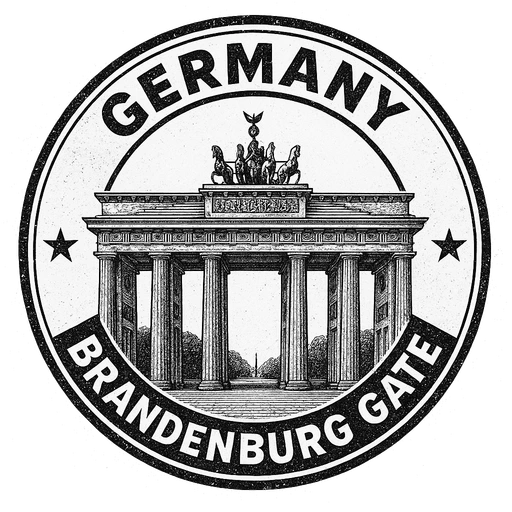
Today: An icon of peace and unity, hosting events and celebrations.
Then and now: A city gate marking the start of the road from Berlin to Brandenburg an der Havel. An emblem of reunified Germany.
Today: A historic site of worship and an architectural masterpiece.
Then and now: Intended as a place of worship and to house important Christian relics. A major tourist attraction and center of Catholic faith in Germany.
Today: Represents the struggle for freedom and the eventual reunification of Germany.
Then and now: Once a barrier dividing the city and its people, symbolizing global tensions. Remnants serve as a memorial and reminder of Germany's divided past.
On the Map
Germany is in central Europe. The landmarks, from Neuschwanstein Castle in Bavaria to the Brandenburg Gate in Berlin, show its diverse history and culture. It's bordered by countries like France, Poland, and Austria.
Related-country comparisons will expand as regional coverage grows.