Traditions of Peru
Peru flag

0 traditions Β· celebrated today

Traditions of Peru

Peru is full of amazing traditions with deep roots in its many cultures. Here, you can find colorful festivals where everyone takes part in joyful dances and music. Greet the day with special customs that turn ordinary moments into heartwarming memories. Discover the unique ways people celebrate life in this vibrant land!

Featured Traditions

Living Traditions

When exploring Peruvian traditions, remember they are rich and diverse, coming from many different cultures in the country.

Year Calendar

How to Join Respectfully

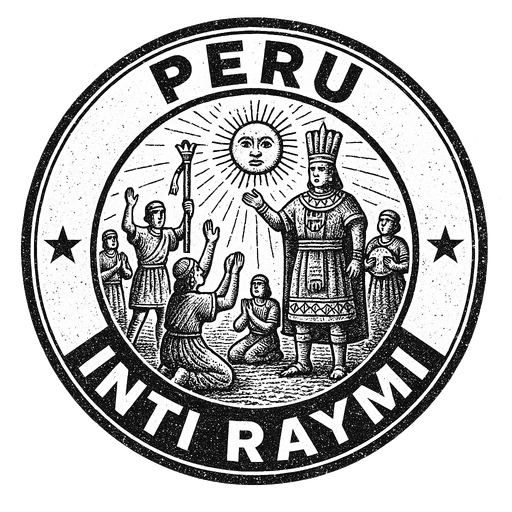
Inti Raymi

Be respectful by: Guests should observe quietly and with respect, showing appreciation for the cultural significance.

Main steps: Participants gather at ancient Incan sites at sunrise to start the celebration. Then A reenactment of traditional ceremonies takes place, including offerings to the sun.
Pachamama Raymi

Be respectful by: Guests may watch respectfully and ask for guidance if they wish to participate by giving offerings.

Main steps: People prepare a special spot in the ground for offerings. Then Offerings of food and plants are placed into the earth in a ceremonial way.

La Fiesta de la Candelaria

Be respectful by: Respect the performers by giving them space to dance freely and enjoy the joyful atmosphere.

Main steps: Festivities start with a colorful parade involving dancers and musicians. Then Dance groups compete, showcasing their best performances.

Tradition Details

Inti Raymi

Inti Raymi

People dress in Incan clothing and perform ceremonies to honor the sun god, Inti, with music and dance.

Why it matters: This festival was the most important event for the Incas, celebrating the winter solstice and ensuring a good farming season.

Respect tip: Guests should observe quietly and with respect, showing appreciation for the cultural significance.

Sun symbol

Pachamama Raymi

Fiesta de la Pachamama

People give thanks to Pachamama, or Mother Earth, by offering food, flowers, and coca leaves.

Why it matters: Pachamama represents Mother Earth, and this tradition shows the deep respect Peruvians have for nature and the land.

Respect tip: Guests may watch respectfully and ask for guidance if they wish to participate by giving offerings.

Coca leaves

La Fiesta de la Candelaria

La Fiesta de la Candelaria

Celebrations include vibrant parades with dancers, music, and foods, combining both Catholic and indigenous beliefs.

Why it matters: Honoring the Virgin of Candelaria, this festival blends different cultural traditions and is a key event in Puno.

Respect tip: Respect the performers by giving them space to dance freely and enjoy the joyful atmosphere.

Traditional clothing

Cultural Objects

Daily Customs

In Peru, people greet each other with a kiss on the cheek. Meals often include delicious dishes like ceviche, and family gatherings are important. Local markets are popular for buying fresh produce or handmade goods.

Arts & Expression

Peruvian arts are known for their colorful textiles and intricate pottery. Music often features the pan flute and charango, demonstrating the country's rich cultural history and creativity.

Vocabulary

Think about special holidays and celebrations in your own culture. How do they bring families and communities together?

Explore more topics in Peru

Compare with nearby countries

Related-country comparisons will expand as regional coverage grows.