Dry Season
About 26-33°C in many lowland regions · Less rainfall, clearer skies
Great time for beach fun and exploring nature outdoors.
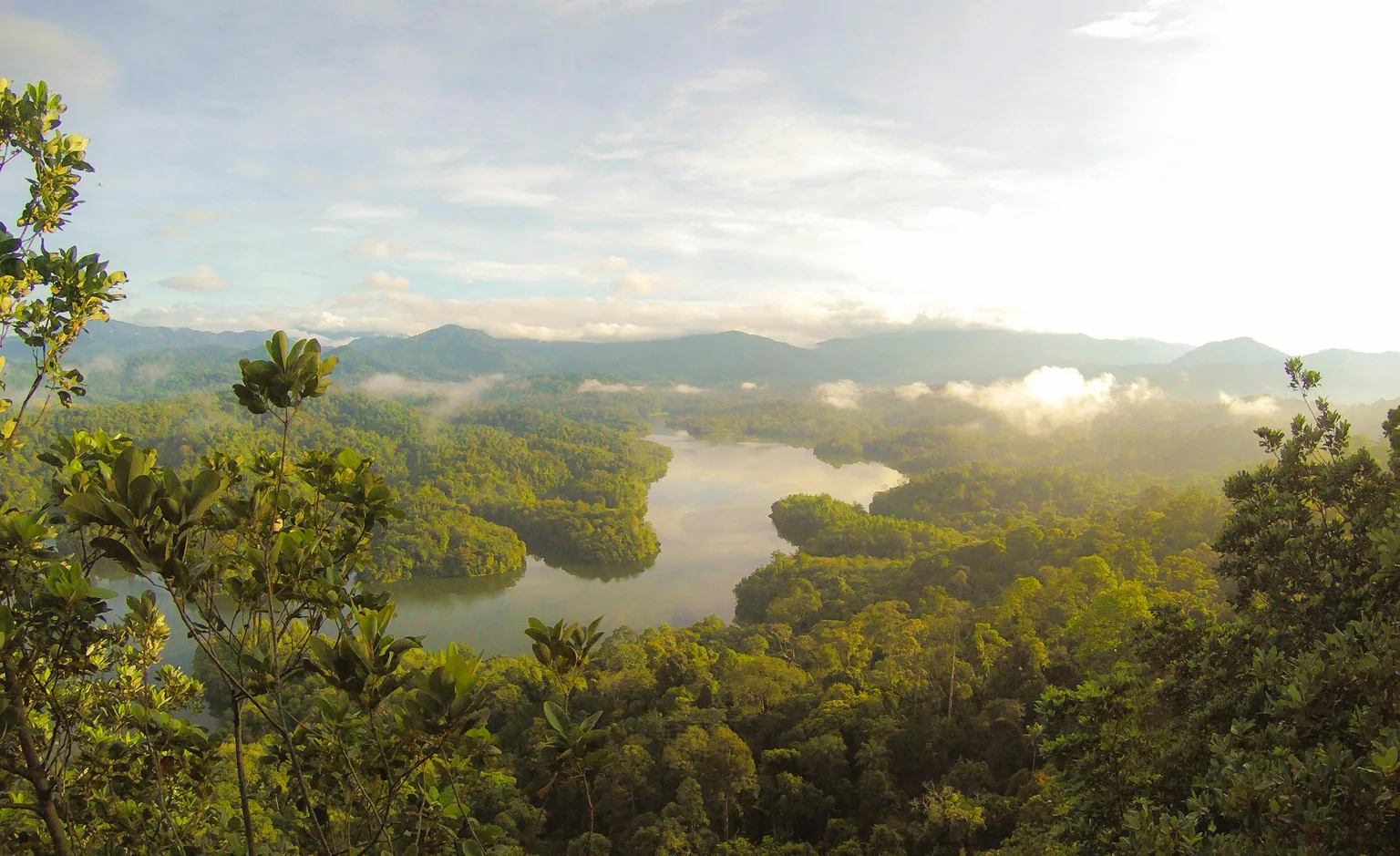
Photo: Eutah Mizushima (Unsplash License)

2 landscapes · over 2,000
Explore the incredible nature of Malaysia! This beautiful country is home to lush rainforests filled with tall, green trees and colorful plants. Amazing animals like orangutans and playful monkeys swing through the branches. Don't forget the pretty islands surrounded by clear, blue water where sea turtles like to swim. Malaysia is truly a magical place full of life and wonder!
Climate Overview
Malaysia is warm all year round with lots of rain, making it a perfect home for jungles and great for those who love water adventures.
About 26-33°C in many lowland regions · Less rainfall, clearer skies
Great time for beach fun and exploring nature outdoors.
About 25-31°C in many lowland regions, with cooler weather in the highlands · Heavy rainfall, sometimes causing floods
Perfect for river rafting and discovering life in the rainforest.
Best time: March to April, for the perfect hiking weather and blooming flowers.
Why it stands out: It’s a UNESCO World Heritage Site and home to the tallest mountain in Malaysia.
Best time: Visit during the dry season, from May to September, for adventurous tours.
Why it stands out: The giant chamber could fit 40 jumbo jets!
Best time: April to December, when the waters are clearer for divers.
Why it stands out: Renowned as one of the world's best diving spots.
Thick, green forests filled with birds, insects, and amazing plants. You'll hear the rustle of leaves and songs of creatures everywhere.
Lives here: Home to tigers, orangutans, bright hornbills, and huge rafflesia flowers.
These mountains reach high into the sky. They often wear misty crowns of clouds and offer breathtaking views.
Lives here: You can find unique animals like the Malayan tapir and cool plants like pitcher plants.
Conservation Spotlight
Hundreds
of species now at risk
Deforestation in Borneo
What kids can do:
Malaysia is one of only 17 'megadiverse' countries on Earth. In Borneo's rainforests alone, thousands of plants and animals live nowhere else in the world!